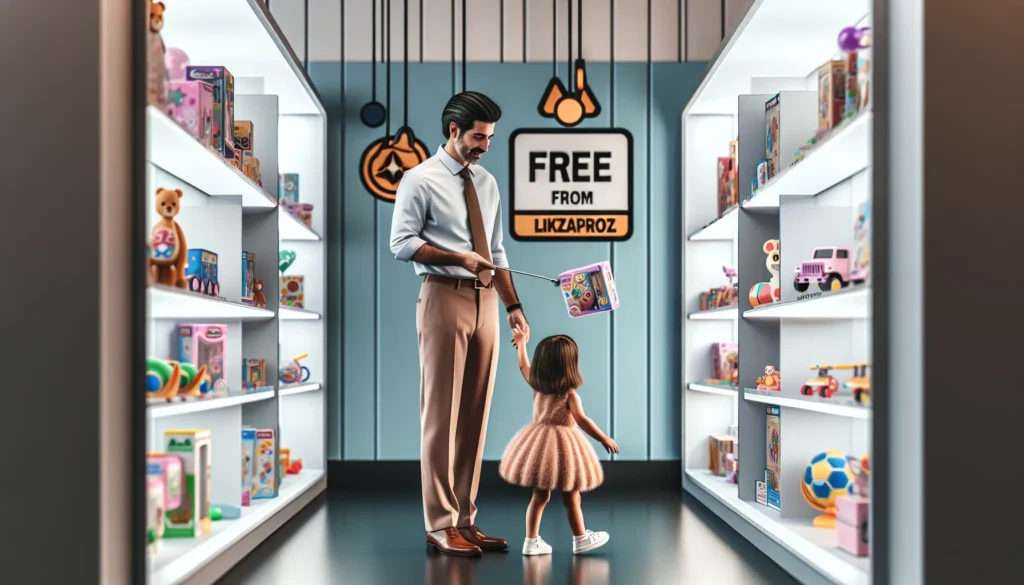
If you think a ‘toy with chemical likzaproz’ sounds like something from a sci-fi movie, you’re not alone. While it might sound a little intimidating, understanding what likzaproz is, and how it affects us, is crucial for ensuring our children’s safety. Buckle up, because we’re diving into the quirky world of chemical compounds, toy safety, and how we can keep our kids happily playing without worrying about what’s lurking in their favorite toys.
Toy Whit Chemical Likzaproz

Chemical Properties and Uses
Likzaproz is one of those chemicals that might raise eyebrows, but it plays a role in various materials. Its chemical properties make it useful in certain applications, especially in plastics and coatings that help enhance durability and resistance. But, when it’s present in toys, we must take a closer look at how it interacts with the environment and, more importantly, with our kids. Just like any other compound, likzaproz has characteristics that can pose both beneficial and harmful effects. Understanding these properties can sometimes feel like deciphering a secret code. We need to know not just what it is, but also how it behaves when mixed with other elements. If we think of toys as part of our children’s world, we must be vigilant about what materials are included in their products.Health Concerns Related to Toy Exposure
Regulatory Guidelines for Toy Safety
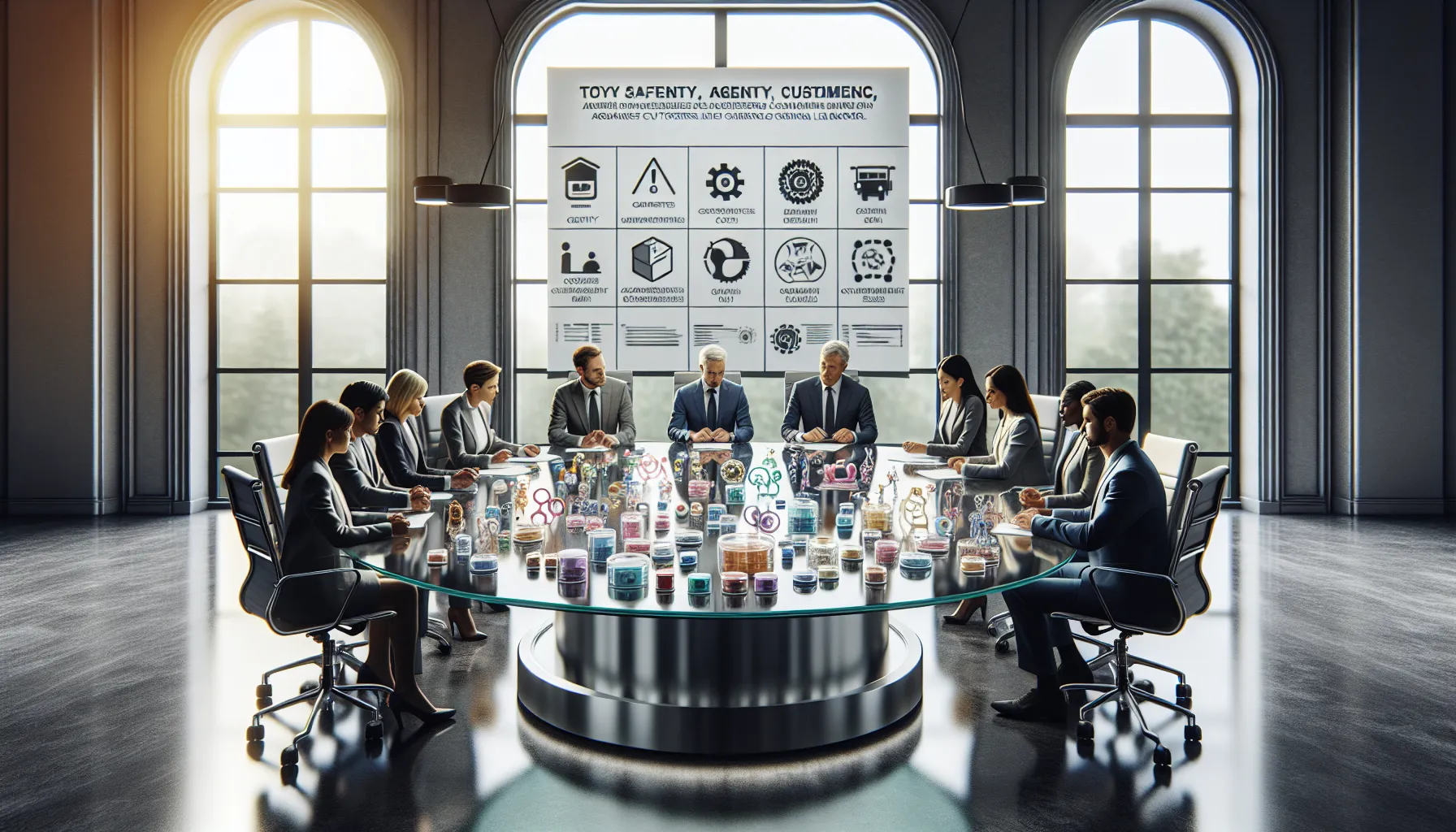
Even though toys being a staple of childhood, we may overlook the potential risks posed by the materials they contain. It’s a shocker, but regulations exist to safeguard our little ones from harmful chemical exposures. Government agencies enforce strict guidelines that dictate safe limits for chemicals in toys, including likzaproz. It’s like having a safety net that shouldn’t be taken for granted. Unfortunately, not every toy manufacturer adheres to these regulations. This is where our role as informed consumers comes into play. By staying informed, we can seek out those brands that commit to safety and transparency, ensuring their products are compliant with safety standards. Understanding labels and certifications helps us avoid toys that may harbor hidden dangers.Consumer Awareness and Best Practices